Top 5 Plumbing Tips for Homeowners in East Texas
Owning a home in East Texas comes with its unique set of challenges, especially when it comes to plumbing. From the humid climate to the occasional heavy rains, homeowners must be proactive in maintaining their plumbing systems. Whether you are a new homeowner or have lived in your house for years, these plumbing tips will help you avoid costly repairs and keep your plumbing running smoothly.
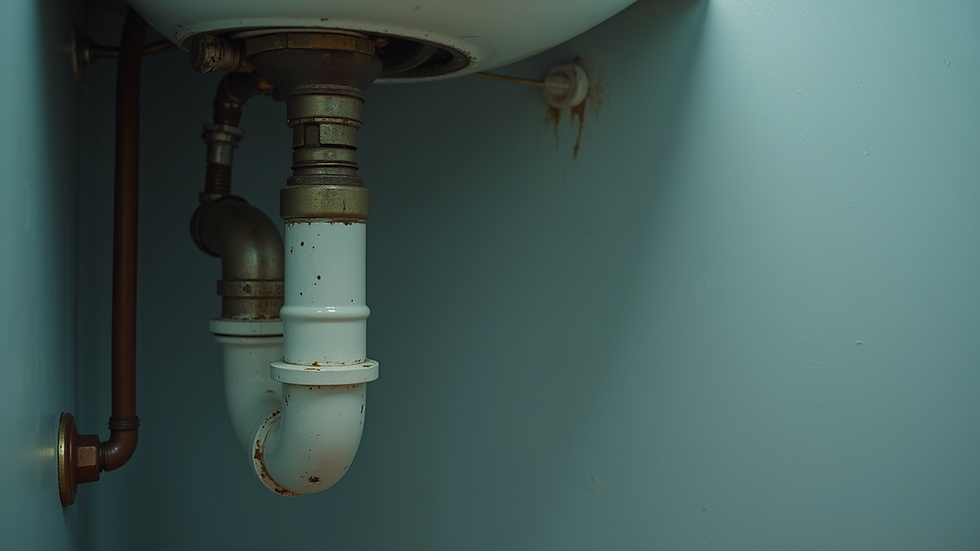
Understand Your Plumbing System
Before diving into specific tips, it’s essential to understand the basics of your plumbing system. Your home’s plumbing consists of two main systems: the supply system and the drainage system.
Supply System: This system brings fresh water into your home. It includes pipes, fixtures, and appliances that use water.
Drainage System: This system removes wastewater from your home. It consists of pipes that carry waste away from sinks, toilets, and showers.
Knowing how these systems work will help you identify problems early and understand the importance of regular maintenance.
Regularly Inspect for Leaks
One of the most common plumbing issues homeowners face is leaks. A small leak can lead to significant water damage and increase your water bill. Here are some tips for detecting leaks:
Check Your Water Meter: Turn off all water sources in your home and check the water meter. If the meter is still running, you likely have a leak.
Inspect Fixtures: Regularly check faucets, toilets, and showerheads for drips or puddles. Even a small drip can waste gallons of water over time.
Look for Water Stains: Check ceilings and walls for water stains, which can indicate a hidden leak.
If you find a leak, it’s crucial to address it immediately. Small leaks can often be fixed with DIY methods, but larger issues may require professional help.
Maintain Your Drains
Clogged drains are a common nuisance for homeowners. Regular maintenance can help prevent clogs and keep your plumbing flowing smoothly. Here are some effective strategies:
Use Drain Screens: Install screens over drains to catch hair, food particles, and other debris. This simple step can significantly reduce the risk of clogs.
Avoid Chemical Drain Cleaners: While they may provide a quick fix, chemical drain cleaners can damage your pipes over time. Instead, use a plunger or a plumbing snake for stubborn clogs.
Flush with Hot Water: Regularly flushing your drains with hot water can help dissolve grease and soap buildup. Consider doing this once a month to keep your drains clear.
Know How to Shut Off Your Water
In the event of a plumbing emergency, knowing how to shut off your water supply can save you from extensive damage. Here’s how to locate and operate your shut-off valve:
Locate the Main Shut-Off Valve: This valve is usually found near where the water line enters your home, often in the basement or crawl space.
Test the Valve: Make sure the valve is functional by turning it clockwise to shut off the water. It should turn easily; if it’s stuck, consider replacing it.
Educate Your Family: Ensure that all family members know where the shut-off valve is located and how to operate it. This knowledge can be crucial during an emergency.
Insulate Pipes in Cold Weather
East Texas may not experience extreme cold, but winter temperatures can still dip low enough to freeze pipes. Insulating your pipes can help prevent freezing and bursting. Here’s how to do it:
Identify Vulnerable Pipes: Focus on pipes in unheated areas, such as basements, attics, and exterior walls.
Use Pipe Insulation: Foam pipe insulation is an effective and easy way to insulate your pipes. Simply wrap it around the pipes and secure it with tape.
Let Faucets Drip: During particularly cold nights, let faucets drip slightly. This can relieve pressure in the pipes and reduce the risk of freezing.
Schedule Regular Professional Inspections
While DIY maintenance is essential, scheduling regular inspections with a professional plumber can help catch issues before they become major problems. Here’s what to expect during an inspection:
Comprehensive Check: A professional plumber will inspect your entire plumbing system, including pipes, fixtures, and appliances.
Identify Potential Issues: They can identify potential problems, such as corrosion, leaks, or outdated fixtures, and recommend solutions.
Preventative Maintenance: Regular inspections can help extend the life of your plumbing system and save you money in the long run.
Conclusion
By following these plumbing tips, homeowners in East Texas can maintain their plumbing systems effectively and avoid costly repairs. Regular inspections, leak detection, and proper maintenance are key to keeping your plumbing in top shape. Remember, when in doubt, don’t hesitate to call a professional plumber for assistance. Taking proactive steps today will ensure a smooth-running plumbing system for years to come.


Comments